๐—ง๐—ต๐—ฒ๐—ผ๐˜€๐—ถ๐˜€, ๐—ฆ๐˜„๐—ผ๐—ฟ๐—ฑ๐˜€, ๐—ฎ๐—ป๐—ฑ ๐—ฅ๐—ฎ๐—ฑ๐—ถ๐—ฎ๐—ป๐˜ ๐—Ÿ๐—ถ๐—ด๐—ต๐˜

A sword is unique… it is steel and not made of fire. However, if you put it in a roaring hot fire, it will eventually take on the qualities of that fire – heat and light. When it is held there for long enough time, it will radiate that heat and light, though it is uniquely UN-fire-like in its composition.

We are human, and were created BY God, for His glory. We do this if we are to choose assimilation into His ways, becoming the dwelling place of His Spirit. Saul of Tarsus alludes to our bodies as a unique Spirit-dwelled habitation, when he says, “๐˜ฟ๐™ค ๐™ฎ๐™ค๐™ช ๐™ฃ๐™ค๐™ฉ ๐™ ๐™ฃ๐™ค๐™ฌ ๐™ฉ๐™๐™–๐™ฉ ๐™ฎ๐™ค๐™ช ๐™–๐™ง๐™š ๐™‚๐™ค๐™™โ€™๐™จ ๐™ฉ๐™š๐™ข๐™ฅ๐™ก๐™š ๐™–๐™ฃ๐™™ ๐™ฉ๐™๐™–๐™ฉ ๐™‚๐™ค๐™™โ€™๐™จ ๐™Ž๐™ฅ๐™ž๐™ง๐™ž๐™ฉ ๐™™๐™ฌ๐™š๐™ก๐™ก๐™จ ๐™ž๐™ฃ ๐™ฎ๐™ค๐™ช?” [1 Cor. 3:16].

This is similar to our makeup as followers of Jesus, seeking to grow deeper into the image of God. We are NOT God, can’t BE God, but we can pursue our relationship with Him, and abide in His presence.

Athanasius the Great once said, “God became man so that man might become God.” By participation in the incarnation, man becomes like Christ… we don’t literally become God, but our purification (ongoing, like steel in a forge) and sanctification (continually being set-apart, made holy) shapes us more into God’s image by practicing His qualities, and fostering a deeper walk with him so that we radiate His heat and light. This is a concept some traditions call “theosis”.

Many passionate followers of God ๐—ต๐—ฎ๐˜ƒ๐—ฒ ๐—ฎ๐—น๐˜„๐—ฎ๐˜†๐˜€ ๐—ฟ๐—ฒ๐˜๐—ฟ๐—ฒ๐—ฎ๐˜๐—ฒ๐—ฑ ๐˜๐—ผ ๐˜๐—ต๐—ฒ ๐—ฃ๐˜€๐—ฎ๐—น๐—บ๐˜€ – the ancient Hebrew prayer & song book for help in this regard. To read more about the unity of God with His people, and how His majesty woos us who seek Godly transformation. (See Psalm 24, or Psalm 139, or many, many others…)

This requires us to participate with God in what He is doing; namely, the pursuit of restoring things to a right relationship with God. It doesn’t happen against our will. But if we become more full of the divine life, we find union with God yet without fusion into God.

May God help us to pursue the mind of God; to understand His methods, His Spirit, and His very qualities which the Psalms so vividly describe. It is this type of surrendered heart that God joyfully inhabits as His dwelling place.

“๐™๐™ค๐™ง ๐™ฌ๐™š ๐™–๐™ง๐™š ๐™๐™ž๐™จ ๐™ฌ๐™ค๐™ง๐™ ๐™ข๐™–๐™ฃ๐™จ๐™๐™ž๐™ฅ, ๐™˜๐™ง๐™š๐™–๐™ฉ๐™š๐™™ ๐™ž๐™ฃ ๐˜พ๐™๐™ง๐™ž๐™จ๐™ฉ ๐™…๐™š๐™จ๐™ช๐™จ ๐™›๐™ค๐™ง ๐™œ๐™ค๐™ค๐™™ ๐™ฌ๐™ค๐™ง๐™ ๐™จ, ๐™ฌ๐™๐™ž๐™˜๐™ ๐™‚๐™ค๐™™ ๐™ฅ๐™ง๐™š๐™ฅ๐™–๐™ง๐™š๐™™ ๐™—๐™š๐™›๐™ค๐™ง๐™š๐™๐™–๐™ฃ๐™™, ๐™ฉ๐™๐™–๐™ฉ ๐™ฌ๐™š ๐™จ๐™๐™ค๐™ช๐™ก๐™™ ๐™ฌ๐™–๐™ก๐™  ๐™ž๐™ฃ ๐™ฉ๐™๐™š๐™ข.” – Ephesians 2:10 (RSV)

“๐™๐™ค๐™ง ๐™ฌ๐™š ๐™–๐™ง๐™š ๐™ƒ๐™ž๐™จ ๐™ฌ๐™ค๐™ง๐™ ๐™ข๐™–๐™ฃ๐™จ๐™๐™ž๐™ฅโ€”๐™˜๐™ง๐™š๐™–๐™ฉ๐™š๐™™ ๐™ž๐™ฃ ๐™ˆ๐™š๐™จ๐™จ๐™ž๐™–๐™ ๐™”๐™š๐™จ๐™๐™ช๐™– ๐™›๐™ค๐™ง ๐™œ๐™ค๐™ค๐™™ ๐™™๐™š๐™š๐™™๐™จ, ๐™ฌ๐™๐™ž๐™˜๐™ ๐™‚๐™ค๐™™ ๐™ฅ๐™ง๐™š๐™ฅ๐™–๐™ง๐™š๐™™ ๐™—๐™š๐™›๐™ค๐™ง๐™š๐™๐™–๐™ฃ๐™™ ๐™จ๐™ค ๐™ฌ๐™š ๐™ข๐™ž๐™œ๐™๐™ฉ ๐™ฌ๐™–๐™ก๐™  ๐™ž๐™ฃ ๐™ฉ๐™๐™š๐™ข.” – Ephesians 2:10 (TLV)

“๐™ƒ๐™š ๐™˜๐™ง๐™š๐™–๐™ฉ๐™š๐™จ ๐™š๐™–๐™˜๐™ ๐™ค๐™› ๐™ช๐™จ ๐™—๐™ฎ ๐˜พ๐™๐™ง๐™ž๐™จ๐™ฉ ๐™…๐™š๐™จ๐™ช๐™จ ๐™ฉ๐™ค ๐™Ÿ๐™ค๐™ž๐™ฃ ๐™๐™ž๐™ข ๐™ž๐™ฃ ๐™ฉ๐™๐™š ๐™ฌ๐™ค๐™ง๐™  ๐™๐™š ๐™™๐™ค๐™š๐™จ, ๐™ฉ๐™๐™š ๐™œ๐™ค๐™ค๐™™ ๐™ฌ๐™ค๐™ง๐™  ๐™๐™š ๐™๐™–๐™จ ๐™œ๐™ค๐™ฉ๐™ฉ๐™š๐™ฃ ๐™ง๐™š๐™–๐™™๐™ฎ ๐™›๐™ค๐™ง ๐™ช๐™จ ๐™ฉ๐™ค ๐™™๐™ค, ๐™ฌ๐™ค๐™ง๐™  ๐™ฌ๐™š ๐™๐™–๐™™ ๐™—๐™š๐™ฉ๐™ฉ๐™š๐™ง ๐™—๐™š ๐™™๐™ค๐™ž๐™ฃ๐™œ.” – Ephesians 2:10 (MSG)

“๐™๐™๐™š๐™ง๐™š๐™›๐™ค๐™ง๐™š, ๐™ž๐™› ๐™–๐™ฃ๐™ฎ ๐™ค๐™ฃ๐™š ๐™ž๐™จ ๐™ž๐™ฃ ๐˜พ๐™๐™ง๐™ž๐™จ๐™ฉ, ๐™๐™š ๐™ž๐™จ ๐™– ๐™ฃ๐™š๐™ฌ ๐™˜๐™ง๐™š๐™–๐™ฉ๐™ž๐™ค๐™ฃ; ๐™ฉ๐™๐™š ๐™ค๐™ก๐™™ ๐™๐™–๐™จ ๐™ฅ๐™–๐™จ๐™จ๐™š๐™™ ๐™–๐™ฌ๐™–๐™ฎ, ๐™—๐™š๐™๐™ค๐™ก๐™™, ๐™ฉ๐™๐™š ๐™ฃ๐™š๐™ฌ ๐™๐™–๐™จ ๐™˜๐™ค๐™ข๐™š. “- 2 Corinthians 5:17

a prayer of need and confession
Gracious Father
Even in difficult circumstances- help us choose faithfulness and holiness 
Help us to choose holiness over happiness as the young Hebrew men in Babylon. 
Help us to value goodness and integrity, to be honest, to be men and women who truly belong to Jesus.
Help us, as a tribe of holy seekers, to stick together, with a holy stickiness that prefers fellowship over conflict.
May we be people of whom the world is not worthy, like the saints of old. That we may be an alternative culture of hope in a world of hopelessness and despair. And may we – above all – usher in the humble heart of surrender every day; a surrender in which your Spirit finds comfortable our hearts. As if he knows where his favorite chair is, and how He likes to sit and stay… may He do that in us.
May we always fall deeper and deeper in love with Jesus, to know Him and His ways, so that we may find his actions feel more and more comfortable because the Spirit does these things in us. Forgive our stumbles, Oh God. Forgive our lapses in judgment and our ignoring lookaways from your Spirit’s presence, and may we abandon the flesh with its false promises.

May we be at home in the flesh only so much as we are at home in the Spirit, and may we strive daily to lay down our crowns at the feet of Jesus, to take up his thorny crown over our bejeweled imitation glory.

In Jesus’ holy name – which is above all names – Amen.

Spirit Work: turning flowers into fruit

The fruit of the Spirit is an intriguing concept. Some thoughts on cultivating the Spirit’s work in us.

First, the text:
Galatians 5:19-25
I say, then, walk by the Spirit and you will certainly not carry out the desire of the flesh. For the flesh desires what is against the Spirit, and the Spirit desires what is against the flesh; these are opposed to each other, so that you donโ€™t do what you want. But if you are led by the Spirit, you are not under the law.
Now the works of the flesh are obvious: sexual immorality, moral impurity, promiscuity, idolatry, sorcery, hatreds, strife, jealousy, outbursts of anger, selfish ambitions, dissensions, factions, envy, drunkenness, carousing, and anything similar. I am warning you about these thingsโ€”as I warned you beforeโ€”that those who practice such things will not inherit the kingdom of God.
But the fruit of the Spirit is love, joy, peace, patience, kindness, goodness, faithfulness, gentleness, and self-control. The law is not against such things. Now those who belong to Christ Jesus have crucified the flesh with its passions and desires. If we live by the Spirit, let us also keep in step with the Spirit.

What does it mean for the Spirit to work within us? After all, didn’t he create life and resurrection from death and decay? Didn’t he create light from darkness? Ordered creation from nothingness? Peace from chaos? The very idea of the Spirit of God being “in us” is phenomenal. Yet Jesus told His disciples the Spirit was the comforter. Let’s explore more about a rich and sweet concept.

It occurs to me that when we many people read this passage of scripture, what is conjured up in their mind is the idea of going to “the Wal-Marts” or Krogers and picking up ripened fruit, if you’ll forgive the southernisms. These matured fruit are carefully harvested for the END RESULT: sweet, mature, ripened fruit. Good for salads. GREAT for pies, or a glaze or a drizzle… mmmmm fresh strawberry shortcake w/ Blue Bell homemade vanilla.

But that’s not how the Spirit of God works in an aspiring disciple of Jesus. First, we declare our allegiance to Him, and attune ourselves to His words, His actions, His methods… and as scripture promises, the Spirit of God inhabits us when we surrender to Jesus in baptism. But we are fools if we believe he will FLIP THE SPIRITUAL SWITCH and overturn our desires, our flaws, our shortcomings overnight. If that happens, it is the result of an extraordinary new-creation mindset by a person. A lot of times, that may depend on how horrible their life was before that surrender to the Messiah.

The Spirit matures in us. That’s not to say that the Spirit of God isn’t already “mature” – or that by His authority all things were created, and even Jesus was raised from the dead (Romans 8). If the Spirit is indeed God, then what do we expect him to do with us? It all remains contingent on the free will of the person. That is to say that the Spirit of God can be resisted, or sequestered to a corner of our lives if we’re not careful. We must labor to deny the lusts of our carnal hearts, and embrace the new creation for which our King, Jesus, died and established all things new. We are redeemed by the BLOOD OF GOD HIMSELF, not by something you might throw away like leftover, cold coffee.

The Spirit of God must germinate, he must flower in us because we welcome the seed of the Spirit (oddly enough, it’s noteworthy here that the Spirit Himself “seeded” Jesus in Mary’s womb). We must WATER the blossom, and celebrate when the bees come to pollinate the flower. God’s creation shows a vivid metaphor for how the Spirit works in us. Germination, pollination, feeding, watering, sunlight… and a baby fruit begins. But if you’ve ever tended to flowers or plants, you know this takes TIME and EFFORT, and PATIENCE… which is one of these fruits!

The Spirit of God will yield in us things that are immeasurably miraculous (I would call everyday change, multiplied like compound interest miraculous), but we often want to keep it in it’s own lane. We don’t want to surrender it all to the Spirit of God for formation.

Can you even imagine? Fruit would NEVER MATURE if it grew like our SPIRITual lives. We’d see far less maturity, and far less deep red strawberries (or gentleness, love, self-control, if you will). We prune off those branches because we don’t like the bees, we don’t like the pollen, and we don’t like the sneezes that happen in the process of growth. That is, the hard work of cultivating SPIRIT-ual formation into the image of the Messiah is something we have often pruned like those annoying, dusty pollenizing blooms. But you can’t buy self-control at Walmart, and Kroger points won’t buy you gentleness, kindness, and brotherly-love.

Paul said this in a few verses in Galatians. But oh my, how rich a concept it truly is. Deny the flesh, put it to death (mortify it, as the old King James says), and usher in the Spirit to raise us from the dead in the glory of the Father.

Where is our Spirit fruit on this diagram?

In stead, what we ought to do is relentlessly pursue holiness. Press toward the mark of the high calling of God in the Messiah, Jesus. Make every effort to make our calling and election sure, and do everything we can to add to our faith all the virtues and qualities Peter discusses in his first epistle.

Three things we can do to facilitate the Holy Spirit’s work in us:
1) PRAY EVERY DAY. Pray multiple times a day. Pray for God’s work in us. Pray for His Spirit’s habitation in our hearts. Pray for the eradication of bad blooms, the sins and snags that so easily beset us.
2) EMBRACE THE HUNGER TO REPRODUCE SPIRIT FRUIT. Make efforts to pursue knowledge of God. Read scripture. Not to KNOW scripture, but to come to know God Himself. To know who He is, what He intended for humanity, and what he wants us to become.
3) PURPOSEFULLY SET ASIDE WATERING AND FEEDING TIME. Fertilization is taking place if we will only allow it to occur. Like Paul said about teaching the gospel: “I planted, Apollos watered, but God gave the increase.” (1 Corinthians 3:6-8)

It is my prayer today that all who read this will take it to heart and embrace God’s work in you. It will only happen if we allow it to happen, and if we pursue it with relentless vigor.

DORMANT faith

DoRManT fAItH

I am really enjoying watching โ€œthe Crownโ€.

Iโ€™m in Season 3 near the end, and with the rare exception of one crazy episode, this has been an exceptional series.

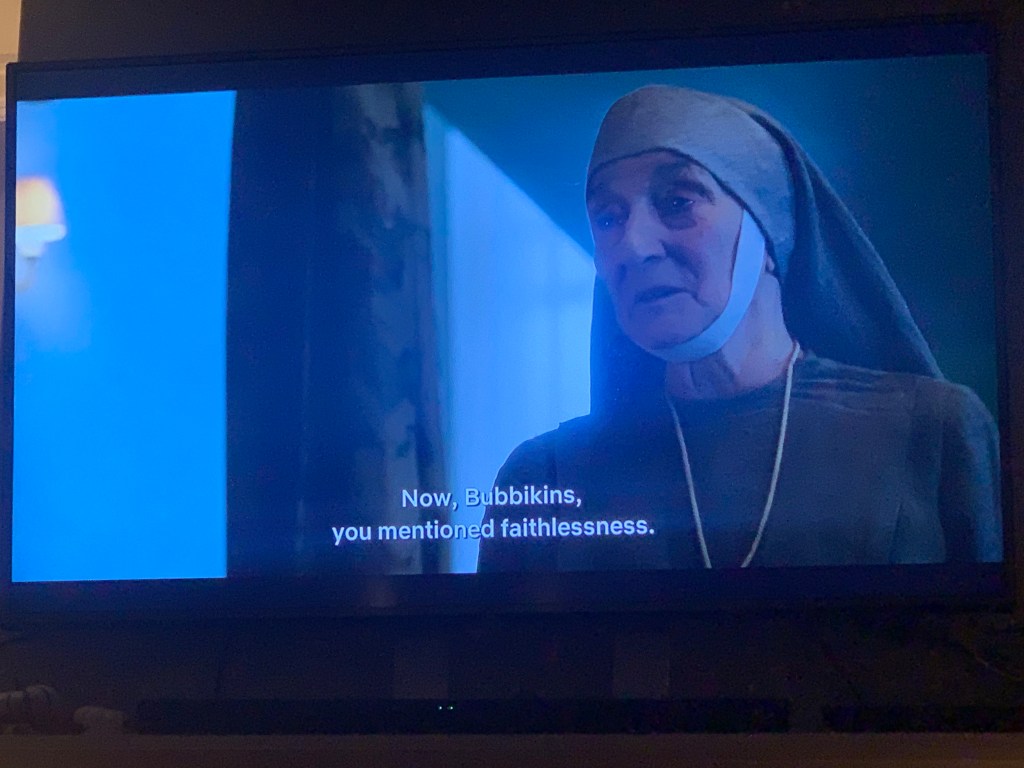
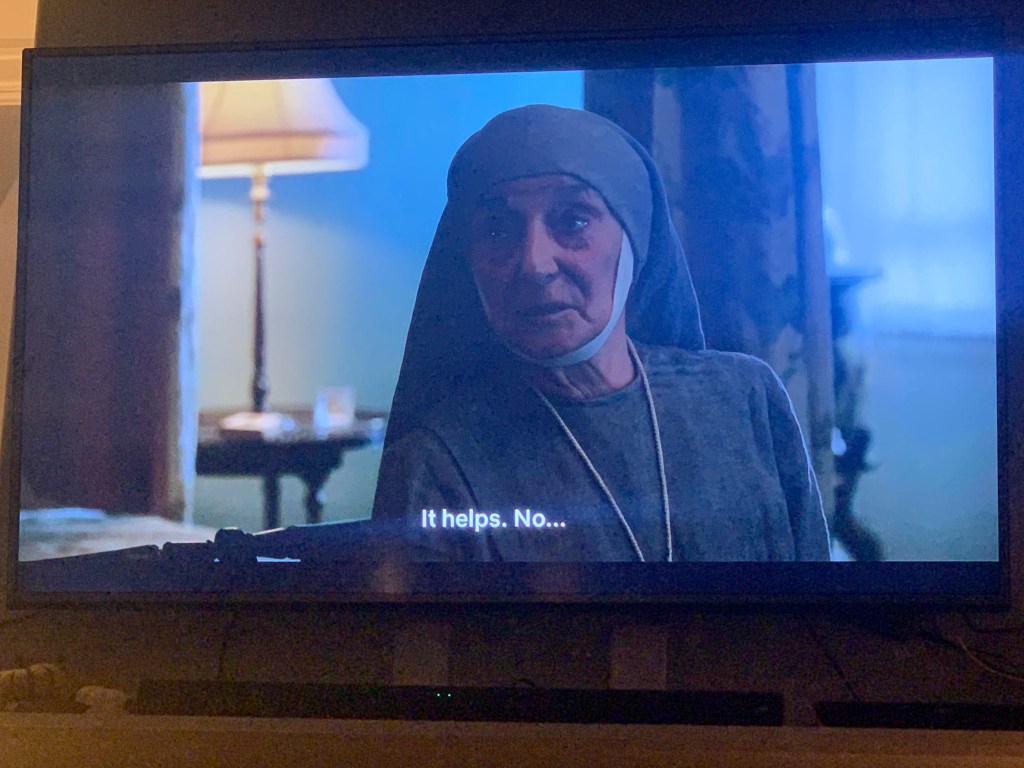
A scene hit me like a ton of bricks in the episode โ€œBubbikinsโ€. In this amazing scene, Phillip, the Duke of Edinburgh (husband to Queen Elizabeth) encounters his estranged mother, Princess Alice (of Greece). She is now a nun; and has been for quite some time at this point. Sheโ€™s a heavy smoker feeling the constant effect of her habit, and Phillip comes to apologize and confess; a kind of reconciliation with his mother for whom heโ€™s borne decades of bitterness.

It is perhaps the most poignant, real scene to date for me. A woman who is shattered, yet fully put together. A Royal, middle-aged son who is completely refined, yet lost and in tatters and shreds. He apologizes for his faithlessness; and they converse about her past. Psychological treatment and hysteria, abandonment and solitary confinement in an asylum, and later when she ESCAPED, isolation from family in a ministry school & convent. He says he grieves that she was
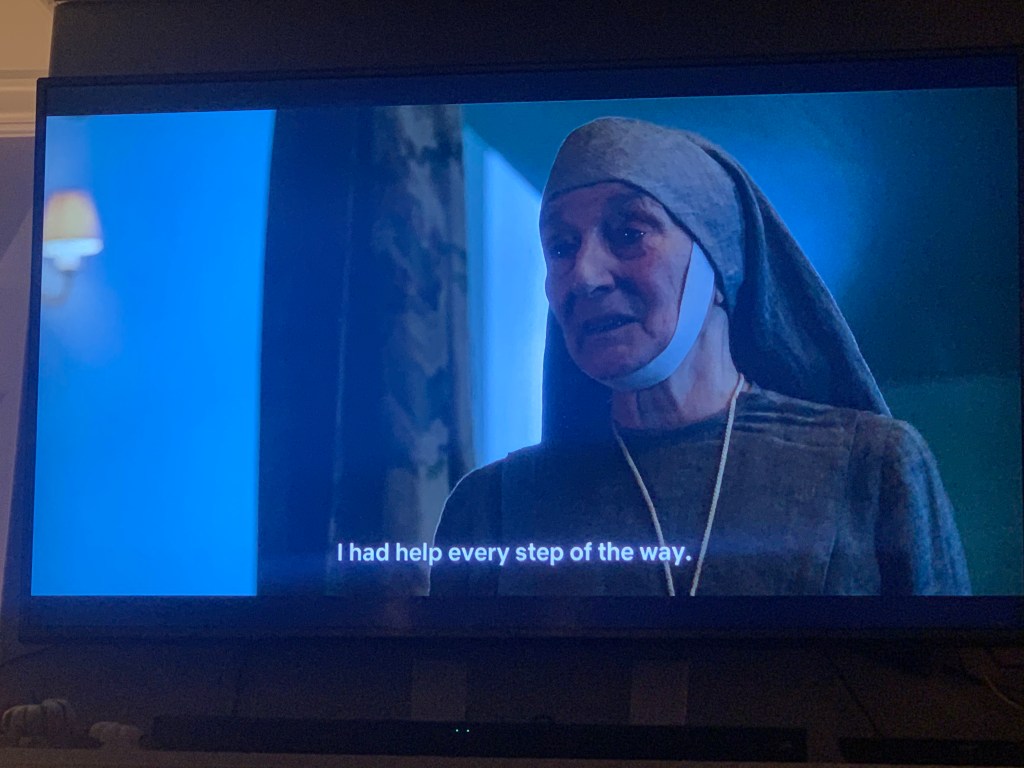
alone during that time, and she responded wasnโ€™t alone as Phillip feared. She was NEVER ALONE. Someone was with her every step of the way.

In that moment of segue, Alice replied to her sonโ€™s apology, and said,
-now Bubbikins, you mentioned faithlessness. How is your faith?
Dormant.
-What?
DORMANT.
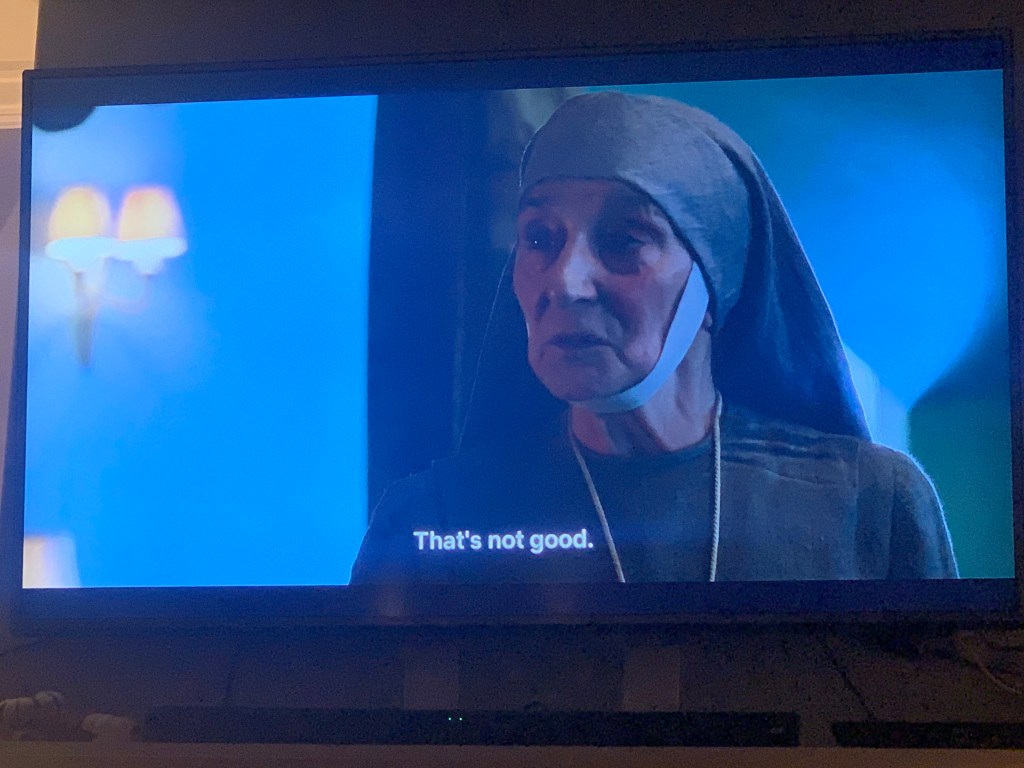
-Thatโ€™s not good.

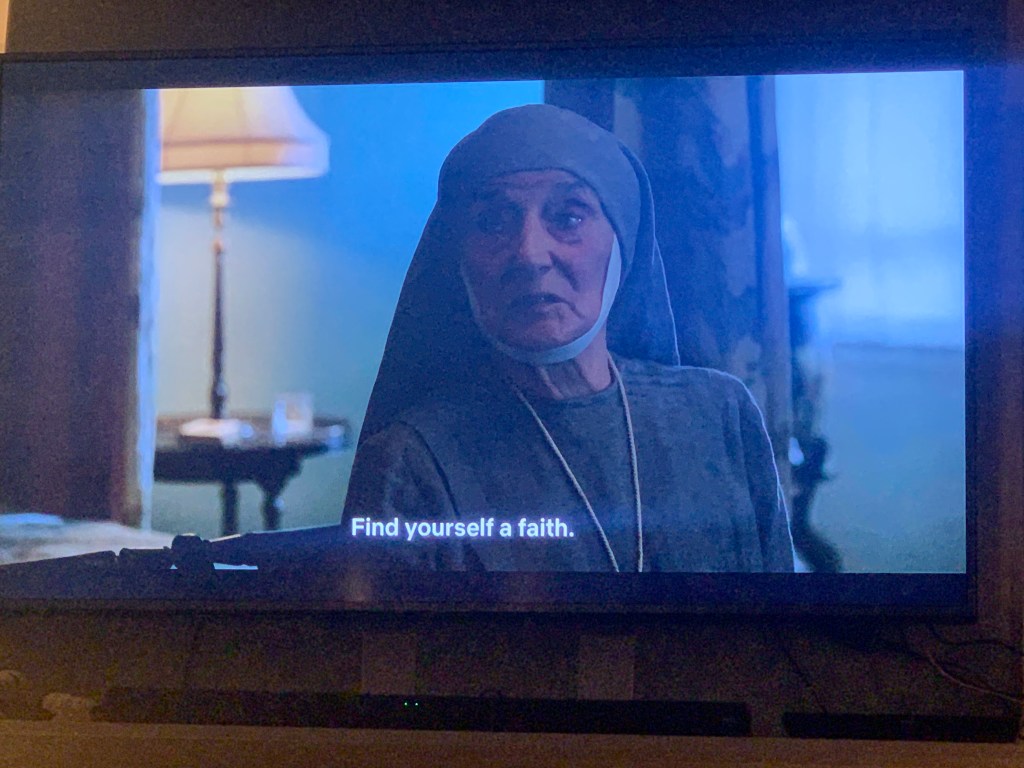
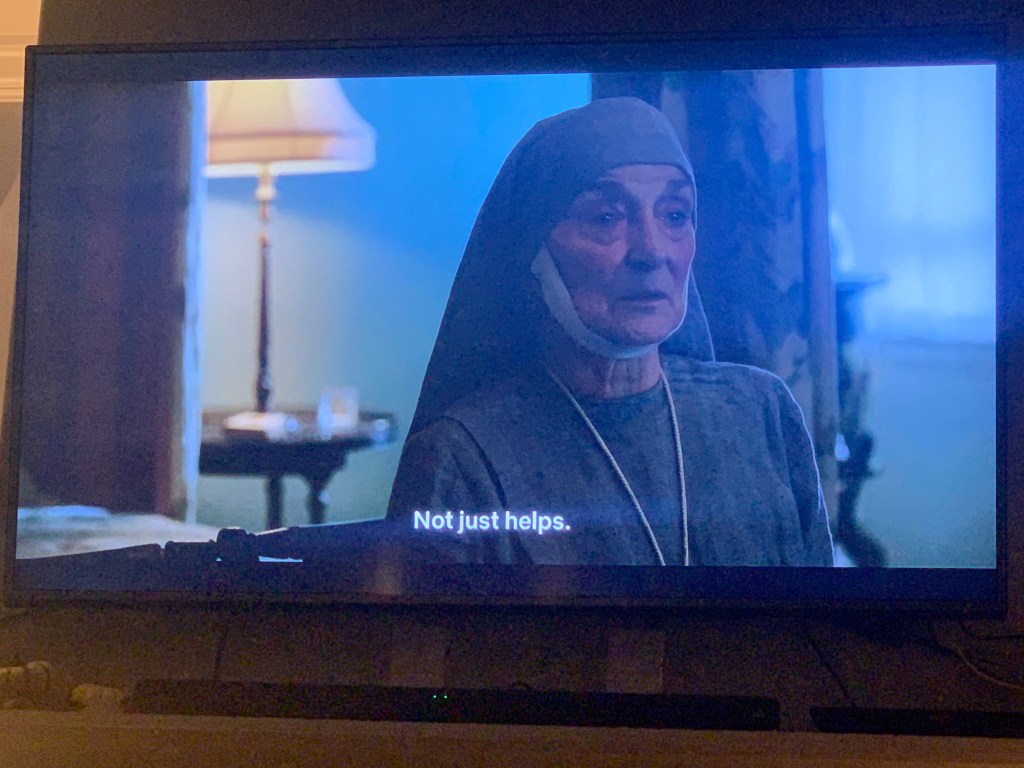
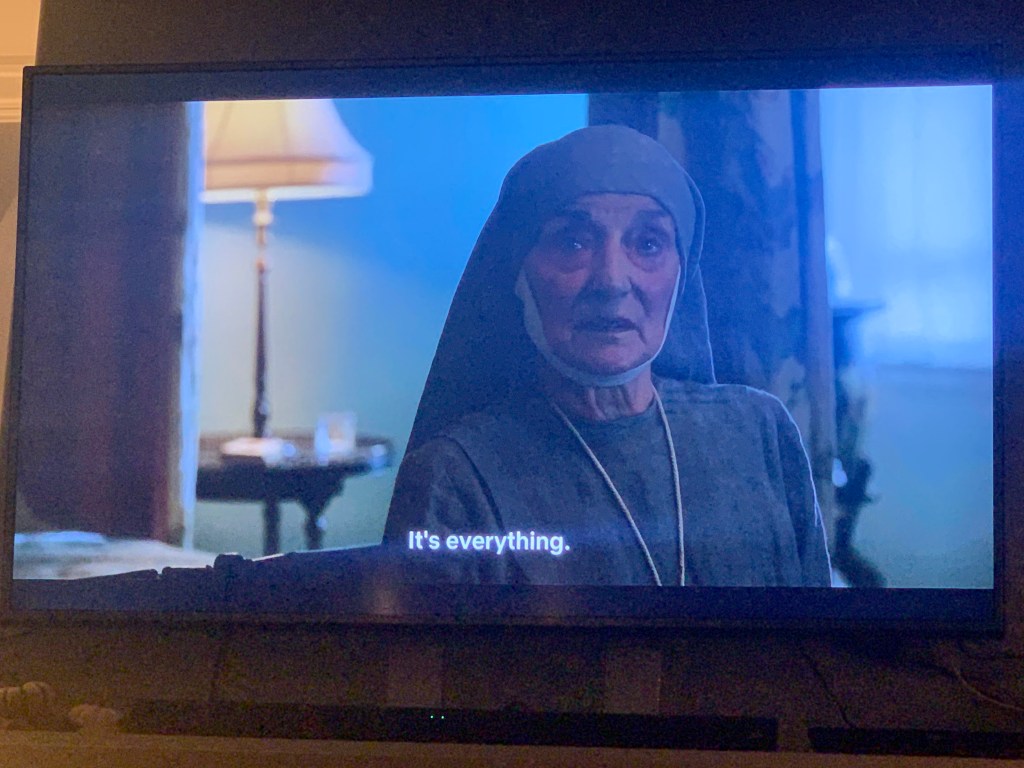
-โ€œLet this be a motherโ€™s gift. Find yourself a faith. It helps, noโ€ฆ not just helps. Itโ€™s everything.โ€

It occurred to me that thereโ€™s been something Iโ€™ve observed over the kast 9 months that has become evident.

Phillip isnโ€™t alone.

There are many who today, this month, last month; 4 months ago whose faith has grown dormant.

This is no accusation; not at all. Itโ€™s an observation. It has even been ME at points during this abysmal season of heartless tragedy and confusion. Pain and tensions of the past 9 months yield many rabbit trails upon which our faith may have wandered and become lost.

Many people have lost their way. But itโ€™s happened gradually because thatโ€™s the way the adversary works. It hasnโ€™t happened with fanfare or a parade, nor a sign that walked into the living room of your mind saying, โ€œweโ€™re here to take your faith and rob you of joy.โ€

And a question looms. HOW IS YOUR FAITH? Your FAITH. Not your attendance, not just your presence with saints on Sunday, not just your practice of going to work, or of social distancing, or of Bible reading, personal prayer, or devotion in solitude through walks or private purposeful reflection; but the engine that propels everything else in life.

How is your FAITH? The thing that fuels your every day of full confidence that the Lord God is still the Almighty? In Romans 4, the apostle Paul wrote a magnum opus on the value of a life lived in full faith in the great father, Abraham. The assurance that what we hope and desire shall indeed be made known in Godโ€™s good time. That the Lord Christ is indeed king; the savior, master, sustaining food for daily living, living water for every drink of refreshment. And by now, (afterwardsโ€ฆ on THIS side looking back), Christ reigns as king.

Does your faith fuel your walk with God, deeper into holiness and discipleship? Does your faith guide you through the wandering in the wilderness of 2020? Of racial difficulties, disease, political wars, and the way of life as we all know it? Does your faith ground you? Does it guide you despite doubts and fears of the future?

Does our time produce skepticism in you? Or destroy faith? Has faith become an old wives tale to you or a primitive emotional tradition as with some people? You need a faith. By faith, we live as justified men and women. By faith, we walk as sanctified (made holy) people. By faith, we submit in waters of death and are resurrected to life; a renewed heart and mind, and a new orientation of slavery to Christ. Many people have LOST faith during COVID quarantine, and canโ€™t seem to find it. For that I beg you to READ the book of ROMANS.

Faith is everything. It guides our behavior in the right direction. It guides right choice of words toward everyone, particularly toward those we love the most. It welcomes the Spirit of Christ to shape and form our world, rather than the chaos of what’s around us.

โ€œLove one another deeply as brothers and sisters. Take the lead in honoring one another. Do not lack diligence in zeal; be fervent in the Spirit; serve the Lord. Rejoice in hope; be patient in affliction; be persistent in prayer. Share with the saints in their needs; pursue hospitality. Bless those who persecute you; bless and do not curse. Rejoice with those who rejoice; weep with those who weep. Live in harmony with one another. Do not be proud; instead, associate with the humble. Do not be wise in your own estimation. Do not repay anyone evil for evil. Give careful thought to do what is honorable in everyoneโ€™s eyes. If possible, as far as it depends on you, live at peace with everyone. Friends, do not avenge yourselves; instead, leave room for Godโ€™s wrath, because it is written, Vengeance belongs to me; I will repay, says the Lord. But If your enemy is hungry, feed him. If he is thirsty, give him something to drink. For in so doing you will be heaping fiery coals on his head. Do not be conquered by evil, but conquer evil with good.โ€
โ€ญโ€ญRomansโ€ฌ โ€ญ12:10-21โ€ฌ โ€ญCSBโ€ฌโ€ฌ

https://www.bible.com/bible/1713/rom.12.10-21.csb

โ€œFind yourself a faith. It helpsโ€ฆ no; not just helps. Itโ€™s everything.โ€

Drive-Thru Prayer

DRIVE-THRU PRAYER.

For many Christians, prayer is a sporadic and erratic event. Do you have a daily prayer time to which you commit? ย I’d like to hear about it.

prayerFrom the tradition in which I grew up, the “liturgy of the hours” wasn’t practiced. Well, it may have been by some, but they certainly didn’t call it that. ย In fact, there was often a disdained attitude toward anything that feels or sounds Catholic or “corporatized” about Christianity. ย I don’t think anyone hated the traditions ofย Christendom, but there certainly was an attitude present – whether taught overtly, or environmentally absorbed – that had little value for human traditions of “the church” (the Roman Catholic church). ย However, there is great value in understanding the meandering road of our Christian history; whether good or bad in its practices.

Too often, Christians I know participate in something I’d call drive-thru prayer. ย After all, we hit the drive-thru for an expressed purpose, and are quick about it, and when it’s over we have little use for it again until next time we visit out of convenience or because we’re in a hurry. ย Too often prayer is treated the same way.

drive-thru

In my heritage, we prayed, and were encouraged to pray. ย In fact, we often quoted Paul of Tarsus’s instruction to the Colossians in 4:2; “Devote yourselves toย prayer, keeping alert in it with thanksgiving.”ย  But there has often been something missing. ย While of particular value, I’m referring to much more than dinner-table or bed-time prayer.

In the history of the church, there was a group who became known as the desert fathers. One of the traditions they developed was a revitalized Jewish practice; a specific time of day in which practitioners would devote themselves to spiritual communion with God in prayer. ย Out of this practice developed many different types of prayer and spiritual exercises focused on drawing nearer to the Almighty through prayer, meditation, & reading. (I’d encourage you to click the link onย desert fathers and learn more about them!)

About 500-600 years before Christ, Daniel the Hebrew’s practice is documented;ย “Although Daniel knew that the document had been signed, he continued to go to his house, which had windows in its upper room open toward Jerusalem, and to get down on his knees three times a day to pray to his God and praise him, just as he had done previously.”ย ย He continued in other situations with this prayer ritual – “Then I turned to the Lord God, to seek an answer by prayer and supplication with fasting and sackcloth and ashes.”ย ย He was a Hebrew taken into exile with others from the Babylonian king, Nebuchadnezzar. ย These historical events are well documented outside the Bible.

Back to the point: ย I’m very interested in hearing from anyone who has developed a personal practice of the divine hours, or “the divine office” or whatever you call your fixed time(s) of prayer each day. This is an ancient practice, and I’d be interested in knowing the value of it that you have experienced. ย Have you set alarms on your phone to do this? ย Ever how private it must be, do you stop anything you’re doing to devote yourself to that communion with God?

prayer timeIt’s really about holiness. ย I try my best to be holy at all hours of the day, whether public or private alone time. ย We live in a time where UNHOLINESS, wickedness, and hedonistic idolatry is the god of most of the world, regardless of whether or not they visit a church like a drive-through every week. ย It’s a challenge to be what we need to be, and to continue to stand out. ย My prayer for myself and my family is that we would be like Daniel;ย ย Now this Daniel was distinguishing himself above the other supervisors and the satraps, for he had an extraordinary spirit. In fact, the king intended to appoint him over the entire kingdom.”

Have you developed a practice of this in your life? ย In light of recent political and social developments in our country, how has this affected your divine hours time? ย We who are disciples of Jesus should make time, and make it a priority to put in the solitude time. ย Thanks in advance for your thoughtful comments.

Abuse of the Supper in the Corinthian church

In a number of places I’ve been growing up, I heard a particular explanation of 1 Cor. 11:17-34.ย  That explanation was that the instruction Paul gave was a condemnation of the church’s “making a common meal out of the Lord’s Supper.”ย 

With great respect to the good men who’ve stated it, I believe this is a shallow explanation of the passage, and that verses 17-22 provide the appropriate context.ย  Theyย show that “common meal” was not at all part of the censure Paul issued.ย 

The Corinthian church had a number of problems.ย  Many of them came from Pagan backgrounds; idol worship, ceremonial promiscuity (temple prostitution) and eating meat from sacrifices to those gods, just to name a few.ย  Thisย was the culture of the people of Corinth.ย  However, as redeemed disciples of Christ, they are nowย called away from their former lifestyles and called to a life of self-oblation and dependence on God.ย 

Chapters 10 & 11 are interesting.ย  In chapter 10, the Apostle instructs them, “Consider the people of Israel: Do not those who eat the sacrifices participate in the altar? 19Do I mean then that a sacrifice offered to an idol is anything, or that an idol is anything? 20No, but the sacrifices of pagans are offered to demons, not to God, and I do not want you to be participants with demons. 21You cannot drink the cup of the Lord and the cup of demons too; you cannot have a part in both the Lord’s table and the table of demons. ” – instructing them that they cannot have it both ways.ย  You can’t keep your life of Pagan self-indulgence and worship, and sit down at the table with Christ’s saints and eat the LORD’s supper.ย 

Just like the serious dichotomy in their attitudes and behavior in chapter 10, chapter 11 demonstrates a serious problem that has nothing to do with “making a common meal” of the Supper.ย  Consider the opening of the passage:ย 

17In the following directives I have no praise for you, for your meetings do more harm than good. 18In the first place, I hear that when you come together as a church, there are divisions among you, and to some extent I believe it. 19No doubt there have to be differences among you to show which of you have God’s approval. 20When you come together, it is not the Lord’s Supper you eat, 21for as you eat, each of you goes ahead without waiting for anybody else. One remains hungry, another gets drunk.

The passage continues with the oft-explained passage,

“Don’t you have homes to eat and drink in? Or do you despise the church of God and humiliate those who have nothing? What shall I say to you? Shall I praise you for this? Certainly not! “

The problem clearly is identified in those verses.ย  To be accurate, the passage has to mean something far more than our 21st Century Western World thinking.ย  “Don’t you have homes” couldn’t be accurately translated, “don’t eat in the church building.”ย  Nor could it mean, “don’t make a common meal of the Supper” – as the church had been in the habit of ritual meals since theย Jewish feasts and ceremonies.ย  In fact, Jesus’ย very institution of theย Supperย was in the context of a meal.ย 

The problem here is that status differences and class envy were penetrating the Lord’s church.ย  The everyday feelings and practices of these Christians was not fixed – and not only that – but specifically brought INTO the church.ย  Those with status, riches, wealth, and availability were abusing the freedoms and liberty of those who “had nothing.”ย  The Lord’s church was called to a higher purpose!ย  To be aย  light in the darkness, to be a light to the nations, and to show Christ to the world.ย  The Corinthians were far from it.

Although slaves are not mentioned in chapter 11, the Greco-Roman world was full of slavery during the time of Paul’s writing.ย  If the slave in the Roman society (50-60% of their world) cannot come to the Lord’s table for equality and fellowship, to where can he go?ย  (Don’t think 19th centuryย African slavery; think credit,ย debt, sponsorship, and mentorship.)ย ย The Roman slaveย may not be a particularly poverty-stricken slave, but just a lower socio-economic class person.ย  Regardless ofย the status of the individuals;ย the “haves” were disregarding the equality of these Christians who were less-fortunate.ย  Whether slave or free, the church in Corinth wasn’t eating the LORD’s supper at all.ย  It was their own supper with inequality, status envy, and refused fellowship.

All of this makes the last few verses (often ignored) make sense.ย  If one doesn’t discern the body rightly, he will not care for his brothers or sisters.ย  The Lord’s church loves its own, and cares for one another in a way incomprehensible to the outside world.ย  Verse 30 alludes to those who are weak, sick, and have even died – because the body was not discerned rightly.ย  If the church there would care for one another, wait for one another, and eat the LORD’s supper, perhaps the fate would not be the same.

The conclusion is simple.ย 

11:33So then, my brothers, when you come together to eat, wait for each other. 34If anyone is hungry, he should eat at home, so that when you meet together it may not result in judgment.ย ย  – Food isn’t the problem.ย  It’s mindset.ย  If one is coming to the assembly to eat and feast, he has the wrong motives.ย 

While the early church did in fact take part in an Agapao (Agape – Love Feast), Paul does not condemn, nor condone it here.ย  His silence leads us to believe it was a non-issue.ย  What was NOT a non-issue was the way the church of God was to treat one another, since “we, who are many, are one body, for we all partake of the one loaf.”ย  (1 Cor. 10:17)ย 

Salt and Light. Now, more than ever!

null

More than ever, I realized tonight how amazingly important it is for God’s children to be salt and light in a world full of tasteless darkness.ย  “Come out and be separate, says the Lord” is resonating in my head loudly.

I’m at oneย of my work engagements, and having a blast.ย  My friends and colleages are fun people, and some of them are deeply God-fearing.ย  Others – not so much God-fearing in their everyday ethics and personal morality.ย  They are not evil people, they are simply demonstrating Satan’s impact on the world by their lack of Godliness.ย  I have no doubt they “fear” God, but they often don’t appear to let it translate into obedience, respect, and holiness.ย  I have come to believe that true disciples of Christ cannot possibly be brightening and seasoning the world without being within it.ย  To get to know people, and for them to get to know us, and know that we – without judgement upon them – choose to live a different life of holiness; separating ourselves from vulgar speaking, filthy thoughts, drunkenness, immorality.

Don’t get me wrong… I deeply struggle with holiness on a daily basis, and hope and pray that God’s rich mercy will cover my shortcomings.ย  I know that it will because the word repeatedly shows that Christ’s love is so deep for us; that his love was far greater than a simple trump card that was a one-time pass for us to be saved or not saved.ย  That his sacrifice was once for all time, so that we don’t repeatedly – year after year – have to offer sacrifices for ourselves, as the Hebrews did.ย  Isn’t that what grace is?ย 

Isn’t his grace sufficient for us?ย  Now and for always, Father – give me strength to be in and amongst my friends of the world, and show them Jesus.ย  To love them, to show holiness to them, and while far from perfection, help me to show them in my conscious and unconscious actions that Jesus is truly the master of my life.ย  And thank you for placing dear Christian brothers close to me to help encourage.

Paul vs James? A Brief Look at Faith, Works, and Justification

Below is an article by my good buddy and quartet-mate, Shane Scott, on the great question of faith/works and the relationship between then.ย  He does a great job demonstrating the contexts of both passages and exegeting the scripture, rather than reading into it his own meaning.ย  You can read more of Shane’s stuff at the link over on the side of the page.ย 

Oh, and don’t forget to vote SHANE SCOTT for PRESIDENT!!ย  See his campaign promo here:ย  http://youtube.com/watch?v=TN6kG4SwFRo

>>Shane’s Post:
In his 1522 Preface to the New Testament Martin Luther expressed his reservations about the book of James, which he described as an โ€œepistle of straw.โ€ He had questions about the identity of its author, but he was even more troubled by its seeming contradiction with the teaching of Paul on justification. At one point Luther offered to give his doctorโ€™s beret to any man who could reconcile the teaching of Paul and James.

On the surface, it is easy to see why Luther was so perplexed. In Romans 3:29 Paul says, โ€œFor we hold that one is justified by faith apart from works of the law.โ€ Yet in James 2:24 we read, โ€œYou see that a person is justified by works and not by faith alone.โ€ We have basically two options: either Paul and James contradict each other, or they dare using the same terms to mean different things . And I believe this latter approach is correct.

In the first place, James and Paul are using โ€œworksโ€ in two completely different ways. Paul is referring to works of the Law of Moses, especially circumcision, as the immediate context of Romans 3 makes clear. Romans 3 begins with this question: โ€œThen what advantage has the Jew? Or what is the value of circumcision?โ€ (3:1). It ends the same way: โ€œOr is God the God of Jews only? Is he not the God of Gentiles also? Yes, of Gentiles also, since God is oneโ€”who will justify the circumcised by faith and the uncircumcised through faithโ€ (3:29-30).

James, however, is not speaking of the works of the Law of Moses. Instead, he is referring to visible demonstration of genuine faith. โ€œIf a brother or sister is poorly clothed and lacking in daily food, and one of you says to them, โ€˜Go in peace, be warmed and filled,โ€™ without giving them the things needed for the body, what good is that? So also faith by itself, if it does not have works, is deadโ€ (James 2:15-17). The only sense in which James is speaking of the works of the Law is in the broad sense of fulfilling the command to love your neighbor as yourself (James 2:8; cited form Lev. 19:18), a concept that Paul completely favors (Rom. 13:9; Gal. 5:14). Paul agrees with James that genuine faith must work in love (Gal. 5:6).

Second, James and Paul mean different things when they speak of โ€œfaith.โ€ Paul is referring to the initial act of trust in Jesus to become a Christian (Rom. 3:25). When James speaks about faith, he is referring to the phony claim of faith made by professed Christians. โ€œWhat good is it, my brothers, if someone says he has faith but does not have works? Can that faith save him?โ€ (James 2:14). James is decrying the empty assertion of faith that has no connection to reality, something Paul would not tolerate either.

Finally, James and Paul are using โ€œjustificationโ€ in two different senses. When Paul speaks of justification in Rom. 3:29, Paul is referring to declaration by God that we are in right standing. And he is consistent in teaching that our right standing is through faith in Christ rather than the works of the Law of Moses. There is another meaning of justification, though. Sometimes it means vindication. This is how Jesus used the term in Matthew 11:19: โ€œYet wisdom is justified by her deeds.โ€ Wisdom is justified, borne out, vindicated, by its results. And so also is faith. James uses two examples of justification in this sense: Abraham and Rahab. In both instances, Abraham and Rahab had a belief in God that was later vindicated as genuine by their actions; Abraham in offering Isaac, and Rahab in protecting the spies of the God of Israel. Our works vindicate the genuine character of our faith, which Paul teaches as well (2 Cor. 5:10; Rom. 2:17).

I believe Luther allowed the nature of the debates of his day (perfectionism and ritualism) to define what the texts of Paul and James meant in their day, rather than reading Paul and James in light of the debates of their day. But properly understood, James and Paul are in agreement on the relationship of faith, works, and justification.

Bone Marrow for Ethan – YOU CAN HELP!!!

Hey – if you’re reading this, you may already know that our nephew (ok, really 2nd cousin) is nearly 5 months old, and has been in St. Jude’s Hospital in Memphis with Leukemia since his 2 month-old birthday.ย  He was not expected to make it through the first 72 hours or so, and has made it thus far, due to the fantastic Doctors, technology, and the all things that God has blessed.ย  He is in control, and He has already blessed the situation with amazing bountiful blessings.ย  Please see his website at http://www.ethanpowell.com.ย 

The need for Bone Marrow Donors is the greatest thing one can do to help right now, besides prayer.ย  If you will, PLEASE go to the website above and download the letter to OPRAH.ย  We are asking that you download it, print it, sign it, and mail it to the address listed there on the update page on Ethan’s website.ย  Thank you, THANK YOU, THANK YOU, for praying for Ethan.ย  Please continue so that our Father will never doubt the faith of his children that God can heal this child.ย  Not only can he heal this boy, but he will!ย  Let’s do our part, knowing that God will do HIS, and leave that in His hands.ย  The fervent prayer in faith will do great things.ย  If you want to help sponsor a Bone Marrow Drive, go to theย website and learn how.ย  It’s not as hard as you think.ย 

As Ben so habitually signs off on the updates page, PRAYER WORKS!ย  Please pray, but also – please PRINT out the letter and mail it.ย  This is not a joke, and if there are enough bone marrow donors, the numbers will work in Ethan’s favor.ย  But again, we don’t simply believe in statistics… God is the Master of Heaven and Earth, and the power which raised Jesus can heal this little boy.ย  Thank you, friends!

Elizabeth’s better!

Well, not totally… but MUCH better!ย  To our knowledge, she has passed the stone, and is only dealing with residual pain from the ordeal.ย  She is still very tired as she never really got any restful sleep for 2-3 days, so please keep on praying for her if you will.

Praise God for his power and grace.

Elizabeth is Stoned…

This is no time for humor, actually.ย  I have such bad taste…ย  Seriously, please pray for Elizabeth right now.ย  She is in the hospital with a kidney stone and WAS in excruciating pain.ย  The pain is subsiding – gradually – thanks to modern meds, but they are keeping her in St. Thomas Hospital here in Nashville probably a 2nd night, tonight.ย  The main issues are her nausea and the concern about dehydration, and the pain is being dealt with by the professionals.ย  I took her in to the E.R. last night about 9:oo, and after a CT Scan and 4 or 5 doses of pain and nausea meds, she continued to have great pain and nausea, so they admitted her at about 3:15 a.m.ย 

We are in pretty good shape with our contingency plan, (my parents watching kids, etc.) and our trip to Louisiana/Texas was put off today, of course.ย  But other than that, several good sisters have jumped inย and helped out.ย  God is good; let’s just pray for her to quickly pass the kidney stone.ย  I’ve never seen her in this much pain.